The AI agent space is starting to look like the smartphone camera race around 2018. Every product claims a bigger sensor, smarter processing, and a new name for "we automated the thing you used to do manually." Cool. But the real question is simpler: does it help you get better work done?
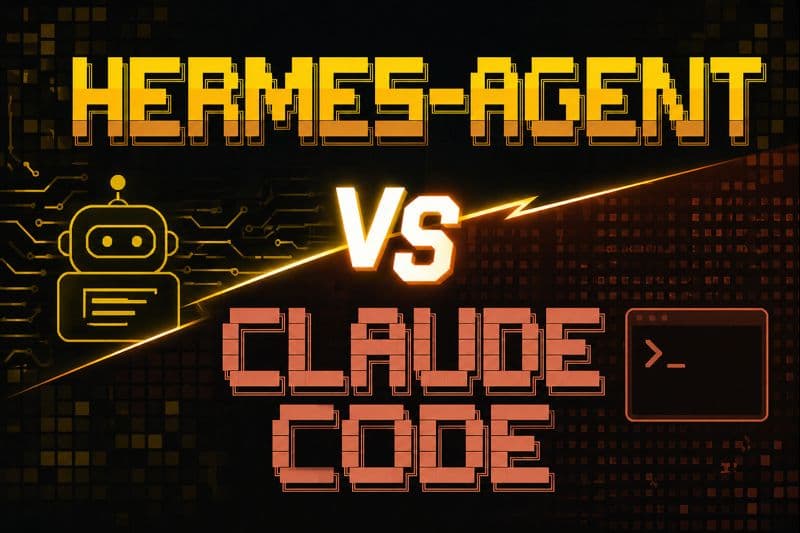
That is the useful way to look at Hermes Agent vs Claude Code. These two tools are getting compared because both live in the agentic AI conversation. But they are not really the same category. Claude Code is a coding agent. Hermes Agent is closer to a long-running personal automation system with memory, skills, messaging, and multiple backends.
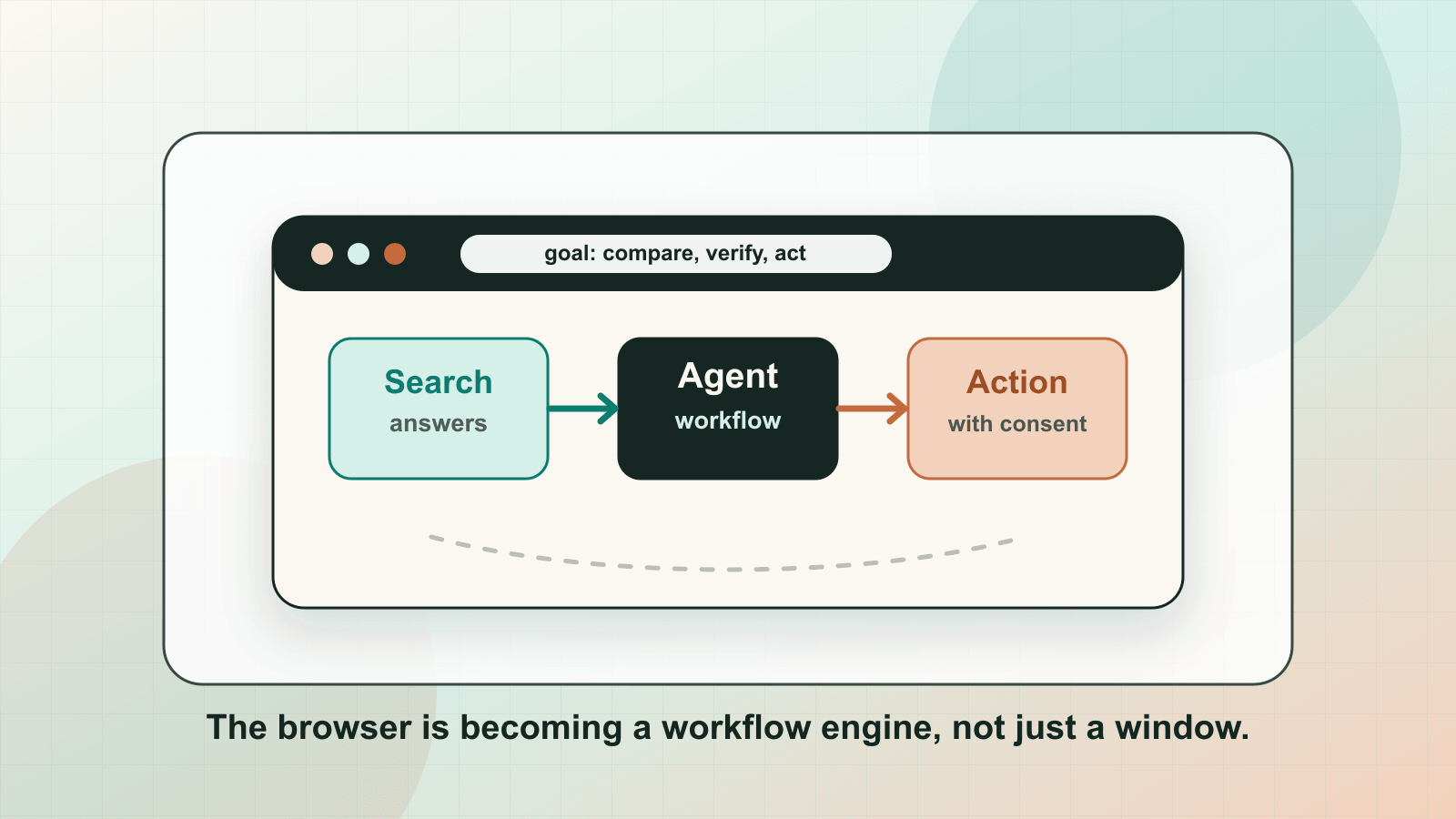
For more context on where this trend is heading, pair this with our look at the agentic web.
The Quick Verdict
If You Only Read One Part
If your main job is software engineering, Claude Code is the cleaner pick. It reads a codebase, edits files, runs commands, works inside your terminal or IDE, and keeps you in the loop before changes ship. That focus matters.
If your goal is broader automation, Hermes Agent is the more interesting pick. It can live on a VPS, switch model providers, remember across sessions, create and reuse skills, schedule jobs, and talk through messaging platforms like Telegram, Slack, Discord, WhatsApp, and Signal.
So the score is not "winner and loser." It is more like this: Claude Code is the better screwdriver. Hermes Agent is closer to a portable workshop.
What Claude Code Gets Right
It Knows Its Lane
Claude Code's biggest strength is that Anthropic did not try to make it everything. The official pitch is direct: it reads your codebase, edits files, runs commands, and integrates with development tools. In practice, that maps to the actual rhythm of engineering work: understand the repo, find files, plan, patch, test, review, and prep the pull request.
The Permission Model Matters
The underrated feature is not just that Claude Code can change code. It is that it is designed around explicit permission for file edits and shell commands. That is the correct default because your repo is not a toy. Claude Code feels best when you treat it like a fast junior-to-mid engineer: useful, occasionally surprising, and still in need of review.
What Hermes Agent Gets Right
It Thinks Beyond the Repo
Hermes Agent is playing a different game. Nous Research describes it as a self-improving agent with memory, skills, scheduled automations, subagents, terminal backends, and cross-platform messaging. The core idea is simple: an agent should not reset to zero every time you open a new chat. It should remember, learn procedures, and keep working when the chat window is gone.
Model Flexibility Is a Big Deal
Hermes also has an important philosophical difference: it is model-flexible. You can route it through Nous Portal, OpenRouter, OpenAI, Hugging Face, or your own compatible endpoint. That matters for teams that care about cost, latency, privacy, open models, or avoiding one-vendor lock-in.
That flexibility is also the tradeoff. More knobs means more setup. More surfaces means more operational responsibility. Hermes can be powerful, but it asks you to think like an operator, not just a user.
The Actual Comparison
Coding
For pure coding work, Claude Code has the advantage. It is more focused, more polished for repo workflows, and easier to explain to a team: install it, open the project, ask it to inspect or change something, then review the result.
Hermes can participate in coding workflows through terminal access, tools, skills, and subagents. But coding is one part of its identity, not the whole identity. If your day is pull requests, tests, refactors, and review, Claude Code is the direct tool.
Memory and Long-Running Tasks
Hermes wins this category. Claude Code has sessions and project context, but Hermes is explicitly designed around memory, skill creation, cross-session recall, scheduled jobs, and long-running operation. If you want a nightly audit, a remembered report format, Telegram updates, and cloud execution while your laptop is closed, study Hermes.
Ease of Adoption
Claude Code is easier for most developers to adopt because the mental model is familiar: a coding tool inside the coding environment. The risk surface is narrower, and the value shows up quickly.
Hermes has a higher ceiling, but also a higher setup tax. You need to care about backends, gateways, models, tools, memory, security, and where the agent runs. Great for an AI workflow stack. Overkill for debugging one route.
Who Should Pick What?
Pick Claude Code If...
Pick Claude Code if your bottleneck is software work: understanding unfamiliar code, fixing bugs, writing tests, modernizing legacy files, creating PRs, or moving faster inside a repo. It is the better choice for teams that want an agentic coding tool without adopting a new automation platform.
It also pairs well with the broader trend we covered in DeepSeek V4, where long-context models and coding agents are turning repo-scale work into a normal AI workflow instead of a demo.
Pick Hermes Agent If...
Pick Hermes Agent if you want a persistent operator. The sweet spot is recurring work: monitoring, research, reminders, cross-app coordination, model experimentation, and automations that keep running after the chat window closes.
It is also a better fit if you like open systems. Model flexibility, self-hosting, skills, and the messaging gateway make Hermes feel like something builders can bend into their own stack.
The Bottom Line
Hermes Agent vs Claude Code is a fun headline, but the better framing is agent platform vs coding agent. Claude Code is what you reach for when the work is clearly software. Hermes Agent is what you explore when the work is broader, recurring, personal, or distributed across tools.
The real future probably uses both patterns. A coding agent handles the repo. A persistent agent handles the workflow around the repo. One writes the patch. The other remembers why the patch matters, schedules the follow-up, and tells you about it where you actually live.
That is the thing about AI agents in 2026: the winner is not always the tool with the biggest feature list. It is the tool that fits the shape of the job.
Sources: Hermes Agent documentation, Hermes Agent GitHub, Claude Code overview, Anthropic Claude Code product page, and Claude Code common workflows.
Written by
Maya Ellison
Founding Editor
Maya covers AI news cycles, platform shifts, and the ways emerging technology reshapes digital work and publishing.
AI tools watch
Track AI tools by workflow fit, not launch-day noise.
Read more Syntax Dispatch coverage on AI agents, coding tools, model releases, and the software habits changing how teams build.
Browse AI tools